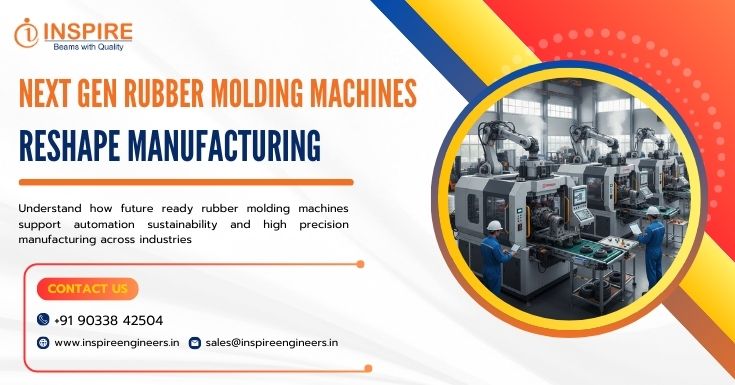
The global manufacturing industry is evolving faster than ever, and rubber product manufacturers are at the center of this transformation. As demand grows for precision components, shorter production cycles, and sustainable operations, next-gen rubber molding machines are redefining how factories operate. These advanced systems are not just improving output but reshaping efficiency, quality, and competitiveness across industries.
From automotive and healthcare to electronics and construction, rubber molding technology has entered a new era. This article explores how next-generation rubber molding machines are transforming manufacturing, why they matter, and how businesses can gain a strategic edge by adopting them.
What Are Next-Gen Rubber Molding Machines
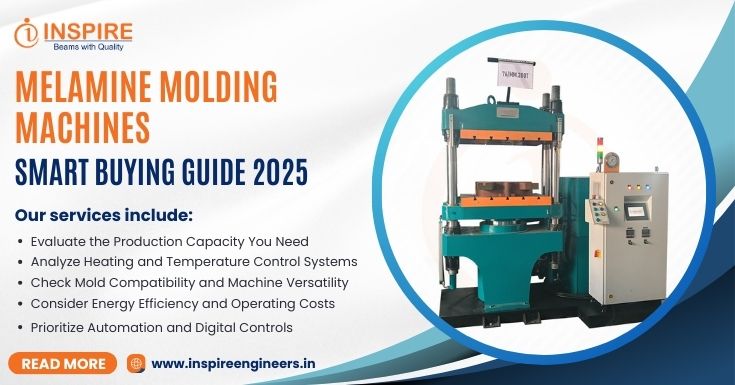
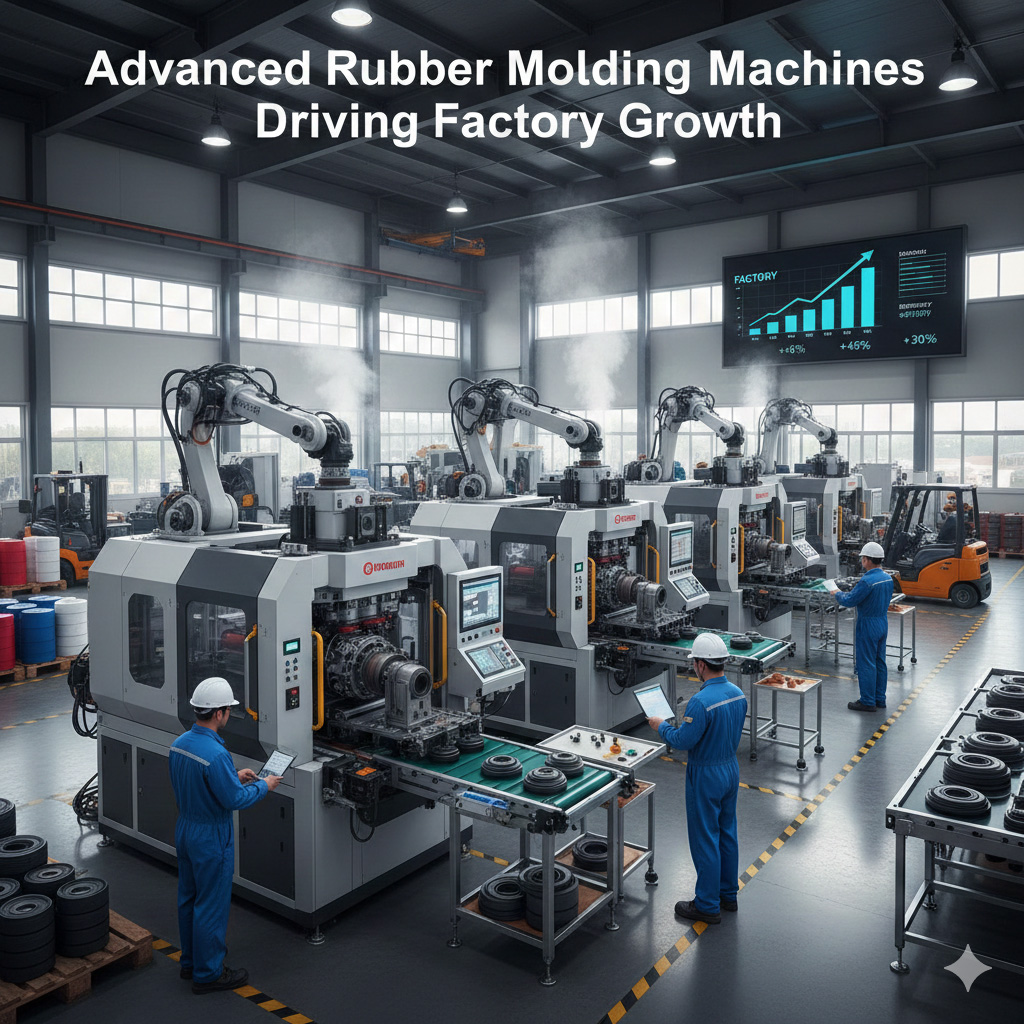
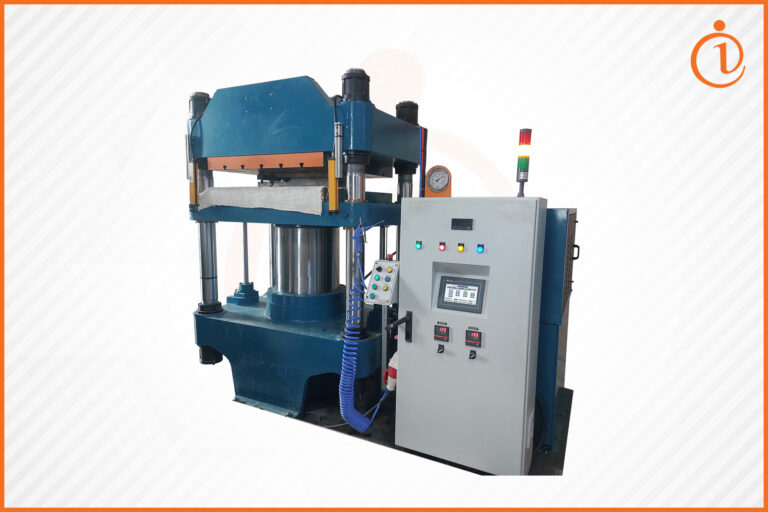
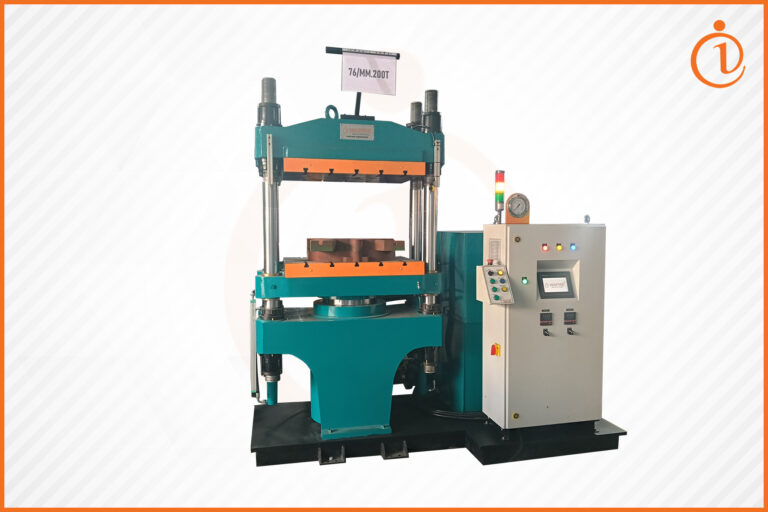
Next-generation rubber molding machines integrate automation, smart controls, energy efficiency, and digital connectivity into traditional molding processes. Unlike conventional machines, these systems are designed to optimize every stage of production, from material feeding to final product inspection.
They support multiple molding processes including compression molding, injection molding, and transfer molding while offering superior consistency and repeatability.
Key characteristics include:
- Intelligent control systems
- Servo driven hydraulic technology
- Real time monitoring
- Reduced cycle time
- Enhanced precision and repeatability
Why Traditional Rubber Molding Machines Are No Longer Enough
Older rubber molding machines struggle to meet modern manufacturing demands. They often result in higher scrap rates, inconsistent product quality, and excessive energy consumption. Manual operation increases dependency on skilled labor and raises the risk of human error.
As competition intensifies, manufacturers require machines that can:
- Deliver uniform quality at scale
- Reduce downtime and maintenance costs
- Adapt quickly to new product designs
- Meet strict compliance standards
Next-gen rubber molding machines solve these challenges by blending mechanical strength with digital intelligence.
How Next-Gen Rubber Molding Machines Transform Manufacturing
Improved Production Speed and Efficiency
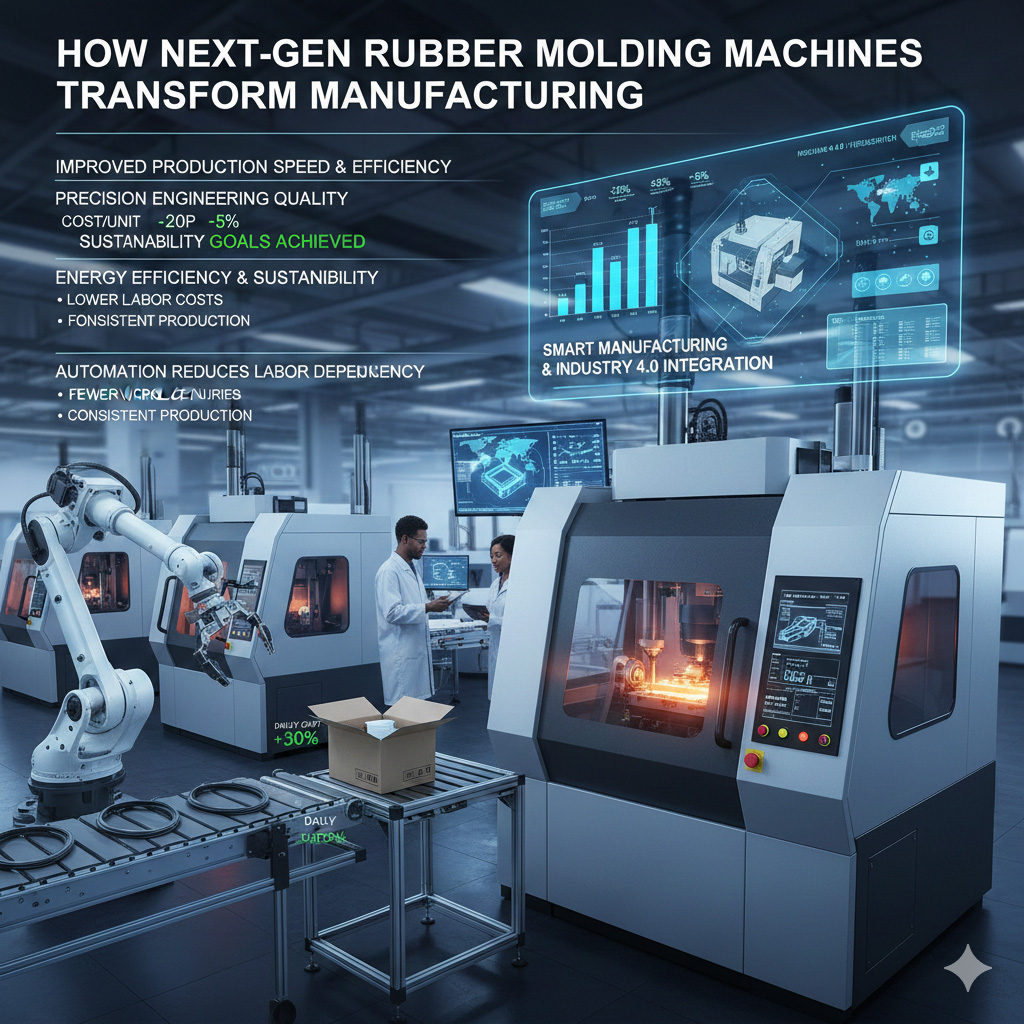
Advanced rubber molding machines significantly reduce cycle time through optimized heating systems and precise pressure control. Faster curing and automated material handling allow manufacturers to produce more units without compromising quality.
This results in:
- Higher daily output
- Lower cost per unit
- Faster order fulfillment
Precision Engineering and Consistent Quality
Precision is critical in industries such as automotive seals, medical components, and aerospace parts. Next-gen machines use closed loop control systems to ensure exact temperature, pressure, and molding time for every cycle.
Benefits include:
- Minimal dimensional variation
- Reduced scrap and rework
- Compliance with international quality standards
Energy Efficiency and Sustainability
Energy consumption is a major cost factor in rubber manufacturing. Next-gen rubber molding machines use servo hydraulic systems that consume power only when required. Smart heating zones further reduce waste.
This leads to:
- Lower electricity bills
- Reduced carbon footprint
- Alignment with global sustainability goals
Automation Reduces Labor Dependency
Automation is a core feature of modern rubber molding machines. Automatic mold loading, unloading, and material feeding reduce reliance on manual labor while improving workplace safety.
Manufacturers benefit from:
- Lower labor costs
- Fewer workplace injuries
- Consistent production even during labor shortages
Smart Manufacturing and Industry 4.0 Integration
Next-gen rubber molding machines are designed for smart factories. With IoT connectivity and data analytics, manufacturers can monitor performance in real time, predict maintenance needs, and optimize production remotely.
Smart features include:
- Remote diagnostics
- Production data tracking
- Predictive maintenance alerts
This digital approach minimizes downtime and improves overall equipment effectiveness.
Applications of Rubber Molding Machines Across Industries
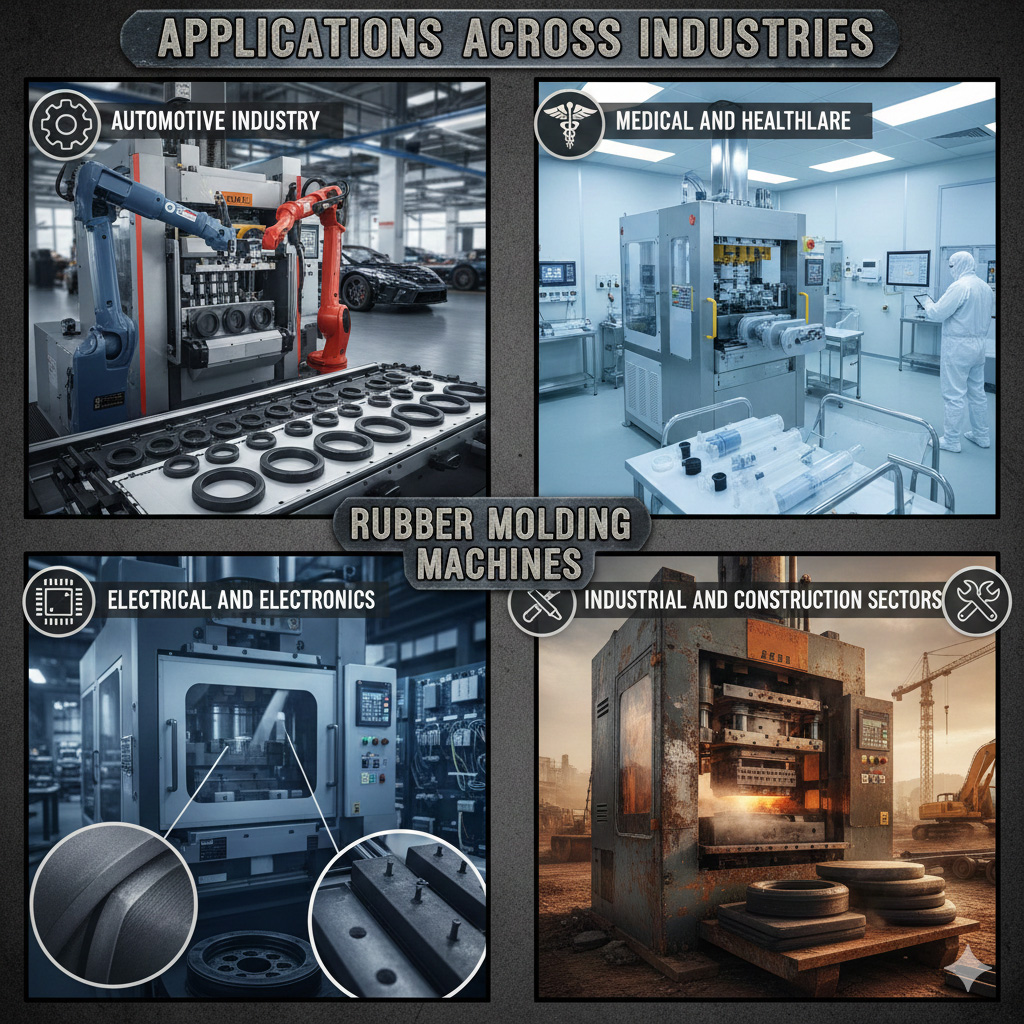
1. Automotive Industry
Rubber molding machines play a critical role in manufacturing gaskets, seals, bushings, and vibration control components. Next-gen machines ensure consistent quality that meets strict automotive standards.
2. Medical and Healthcare
Medical grade rubber products require extreme precision and contamination control. Advanced molding machines offer clean production environments and exact material control.
3. Electrical and Electronics
Insulation components and protective covers require flawless molding. Next-gen machines provide repeatable results and high-dimensional accuracy.
4. Industrial and Construction Sectors
Heavy-duty rubber parts demand durability and strength. Modern molding machines ensure optimal curing and material distribution.
Cost Benefits of Upgrading to Next-Gen Rubber Molding Machines India
While the initial investment may be higher, next-gen rubber molding machines deliver long-term savings through:
- Reduced energy consumption
- Lower maintenance costs
- Minimal material waste
- Faster production cycles
Return on investment is often achieved within a short period due to operational efficiency and increased production capacity.
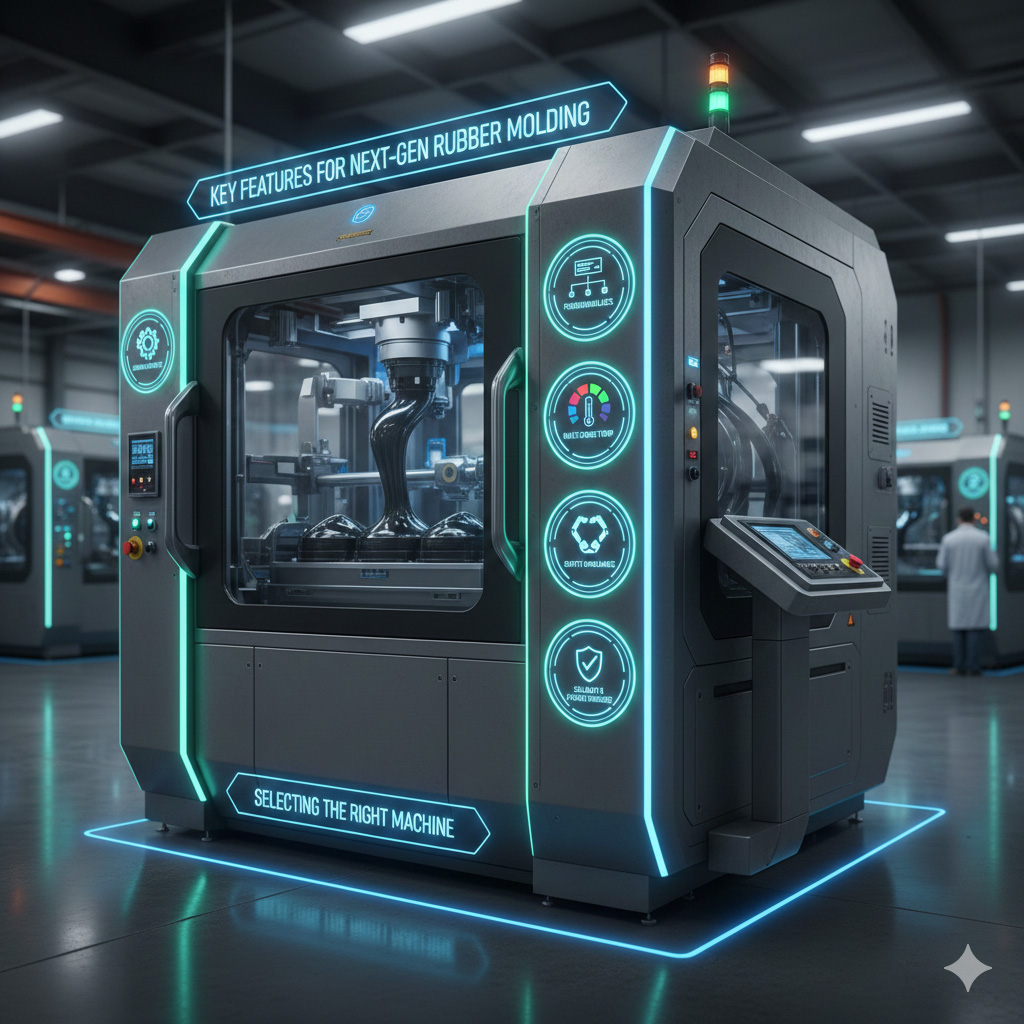
Key Features to Look for in Next-Gen Rubber Molding Machines
When selecting a modern rubber molding machine, manufacturers should consider:
- Servo driven hydraulic systems
- Programmable logic controllers
- Multi zone temperature control
- Automation compatibility
- Safety compliance standards
Choosing the right machine ensures scalability and future readiness.
The Future of Rubber Manufacturing
The future of rubber manufacturing lies in smart automation, sustainable production, and digital integration. Next-gen rubber molding machines are at the forefront of this evolution, enabling manufacturers to remain competitive in global markets.
As customer expectations rise and regulatory standards tighten, investing in advanced rubber molding technology is no longer optional but essential.
Conclusion: Rubber Molding Machine Trends Driving Global Production Now
Next-gen rubber molding machines are transforming manufacturing by delivering speed, precision, sustainability, and intelligence. They empower manufacturers to reduce costs, improve product quality, and embrace smart factory practices.
For businesses aiming to lead rather than follow, adopting next-generation rubber molding machines is a strategic move that ensures long-term growth, innovation, and market dominance.